
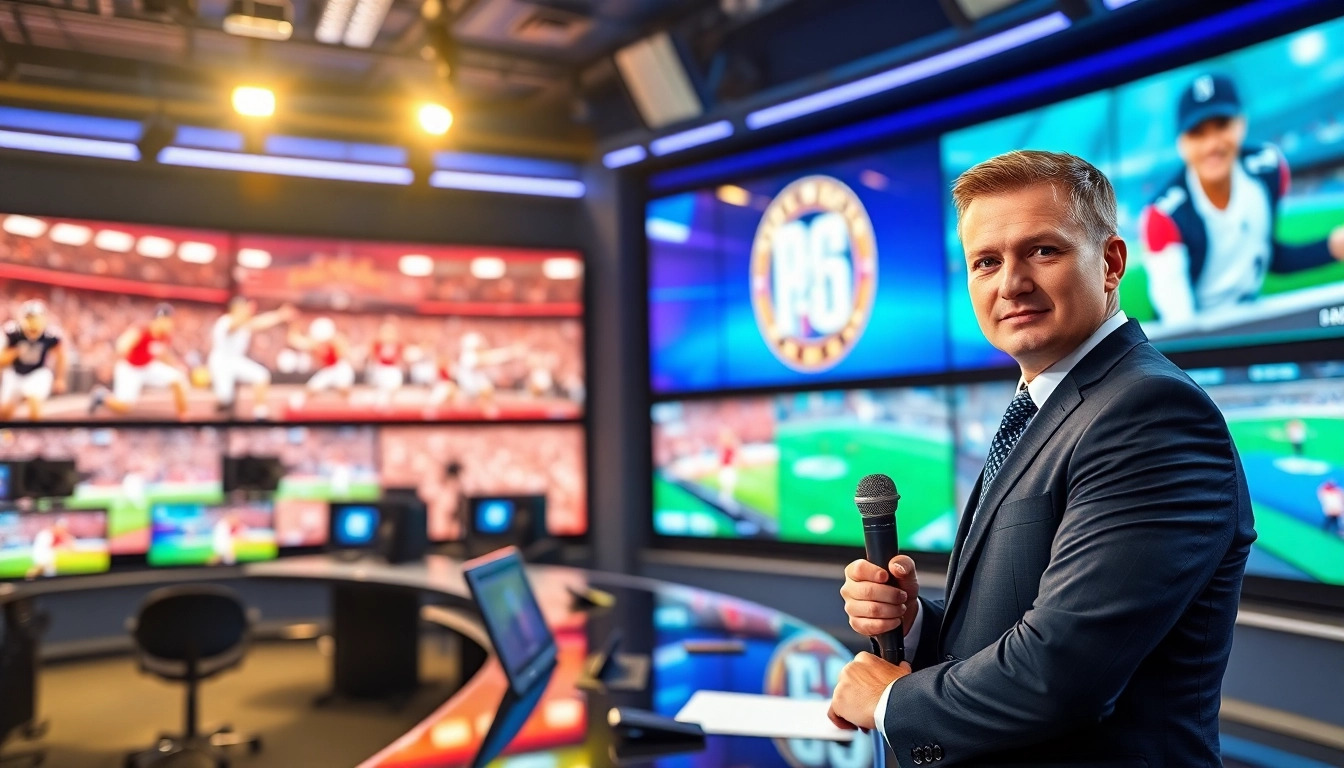
Introduction to Sports Broadcasting
Definition and History of Sports Broadcasting
Sports Broadcasting is the live transmission of sporting events via television, radio, or digital platforms. This medium has evolved from simple radio broadcasts in the early 20th century to high-definition television and live streaming in modern times. The first historical broadcast of a sporting event was a baseball game in the 1920s, marking a turning point that transformed how people experience sports. Over decades, the industry has changed dramatically, influenced by advances in technology and shifts in audience viewing habits.
Importance of Sports Broadcasting in Today’s Media
Today, Sports Broadcasting plays a critical role in the media landscape, providing not just entertainment but also serving as a platform for community engagement and cultural expression. It drives significant revenue through advertisements and sponsorships, enhances fan experience, and creates a global platform for athletic competition. The accessibility of sports content through diverse channels brings fans closer to their favorite teams and athletes, making it an indispensable part of modern media.
Overview of Sports Broadcasting Forms
Sports Broadcasting encompasses various forms, including live TV broadcasts, radio commentaries, streaming services, and even social media coverage. Each form targets different audience preferences and consumption patterns. Traditional television networks often host major events, while online platforms offer flexible viewing options for fans who prefer on-demand content. The rise of podcasts and digital highlight reels also provides alternative ways for audiences to engage with sports content.
Technical Aspects of Sports Broadcasting
Equipment Used in Sports Broadcasting
The backbone of any successful Sports Broadcasting operation lies in its equipment. High-quality cameras, microphones, and production tools are fundamental for delivering a visually appealing and immersive viewing experience. Cameras range from handheld units to drones, capturing events from unique angles. Microphones are equally essential, with options like boom mics and wireless systems ensuring clarity in commentary and fan interaction. Additionally, studios equipped with advanced editing systems contribute to the polished final product that audiences appreciate.
Modern Technologies Enhancing Sports Broadcasting
Emerging technologies such as virtual reality, augmented reality, and AI-driven analytics are revolutionizing Sports Broadcasting. Virtual reality allows viewers to experience events in a 360-degree format, making them feel as though they are part of the action. Augmented reality enhances traditional broadcasts, providing viewers with real-time statistics and player information. Furthermore, AI algorithms analyze viewer patterns, enabling broadcasters to offer personalized content tailored to individual preferences.
Production Techniques for Live Events
Producing a live sports event involves meticulous planning and execution. Key techniques include multi-camera setups to ensure comprehensive coverage, live graphics and score updates, and seamless transitions between commentary and game highlights. The coordination of different teams, including camera operators, directors, and commentators, is essential for a smooth broadcast. Effective communication and rehearsal play crucial roles in minimizing errors during live transmission.
Understanding Audience Engagement in Sports Broadcasting
Analyzing Viewer Preferences in Sports Broadcasting
Understanding audience preferences is crucial for successful Sports Broadcasting. By analyzing viewership data, broadcasters can identify popular sports, preferred viewing times, and demographic trends. Surveys and focus groups further illuminate what fans seek, whether it’s enhanced commentary, expert analyses, or interactive elements. This data-driven approach helps networks and platforms better cater to their audience, thereby increasing loyalty and viewership numbers.
Creating Interactive Experiences for Fans
Interactive features such as live polls, Q&A sessions with athletes, and social media integration have become essential in engaging fans during broadcasts. These experiences allow viewers to participate actively, making the event more immersive. Additionally, platforms that offer fantasy sports or real-time betting options attract a more engaged audience, thereby enhancing the overall viewership experience.
Measuring Audience Metrics in Sports Broadcasting
Engagement metrics play a significant role in determining the success of Sports Broadcasting. Metrics such as viewer ratings, social media interactions, and audience retention rates provide insights into how well content resonates with fans. By regularly monitoring these statistics, broadcasters can refine their strategies, allocate resources more effectively, and ultimately, improve viewer satisfaction.
Challenges and Opportunities in Sports Broadcasting
Common Challenges in Live Sports Broadcasting
Despite its advancements, Sports Broadcasting faces several challenges, including technical malfunctions during live broadcasts, competition from emerging platforms, and fluctuating audience engagement levels. Poor weather conditions can also affect outdoor events, leading to interruptions. Cast failures, such as commentary errors or camera misalignments, can frustrate viewers and tarnish the broadcast’s quality. Establishing robust fallback systems and investing in high-quality equipment can mitigate these risks.
Emerging Opportunities in Digital Platforms
The growth of digital platforms presents numerous opportunities for Sports Broadcasting. With the increasing reliance on smartphones and smart devices, streaming services have gained traction. Broadcasts are no longer limited to traditional television schedules; fans can watch content on demand, creating a more tailored viewing experience. This diversification allows broadcasters the flexibility to reach audience segments that prefer online consumption through creative and scalable strategies.
The Role of Social Media in Sports Broadcasting
Social media plays a pivotal role in the realm of Sports Broadcasting. Platforms like Twitter, Instagram, and Facebook enable real-time fan engagement, creating a sense of community around teams and events. They also provide channels for promotional content and highlights, generating buzz leading up to and during broadcasts. In essence, social media complements traditional broadcasting by increasing visibility and interaction, expanding reach beyond the confines of scheduled programming.
The Future of Sports Broadcasting
Trends Shaping the Future of Sports Broadcasting
As technology continues to evolve, several trends are shaping the future landscape of Sports Broadcasting. The shift toward personalization, with algorithms tailoring content to specific viewer preferences, is paramount. Additionally, the integration of advanced analytics and data-driven storytelling will enhance viewer understanding of the sport while engaging them more profoundly. The incorporation of sustainable practices in broadcasting will also become crucial as audiences become increasingly environmentally conscious.
Innovations to Watch in Sports Broadcasting
Innovative technologies are continually emerging within the Sports Broadcasting field. Blockchain technology, for instance, holds potential for more secure and transparent ticketing and content ownership models. Furthermore, the rise of 5G technology will enhance mobile broadcasting capabilities, allowing for smoother streaming and improved quality. Augmented Reality overlays and high-definition broadcasts are other innovations that will likely dominate the future of this industry.
How Technology will Influence Future Sports Broadcasting
Technology will fundamentally alter how viewers experience sports. With the advent of Artificial Intelligence, personalized content delivery is already being explored, allowing platforms to cater to individual tastes. Machine learning can help predict outcomes and enhance interactive features, creating a dynamic viewing environment. Moreover, virtual reality may transform traditional viewing setups by providing immersive experiences, allowing fans to feel as if they are within the arena itself.
FAQs
What is Sports Broadcasting?
Sports Broadcasting is the live transmission of sporting events via television, radio, or digital platforms, allowing audiences to engage with their favorite sports in real-time.
How has technology changed Sports Broadcasting?
Technology has introduced advanced equipment, streaming options, and interactive features, enhancing viewer experience and engagement while allowing personalized content delivery.
What are the main types of Sports Broadcasting?
Main types include live television broadcasts, radio commentaries, streaming services, and social media coverage, catering to diverse audience preferences.
Why is audience engagement important in Sports Broadcasting?
Audience engagement boosts viewership numbers, fosters fan loyalty, and allows broadcasters to tailor content based on metrics, ensuring a satisfying viewer experience.
What future trends are expected in Sports Broadcasting?
Future trends include personalized content, enhanced interactivity through social media, and innovations in technology like 5G, AI, and augmented reality.