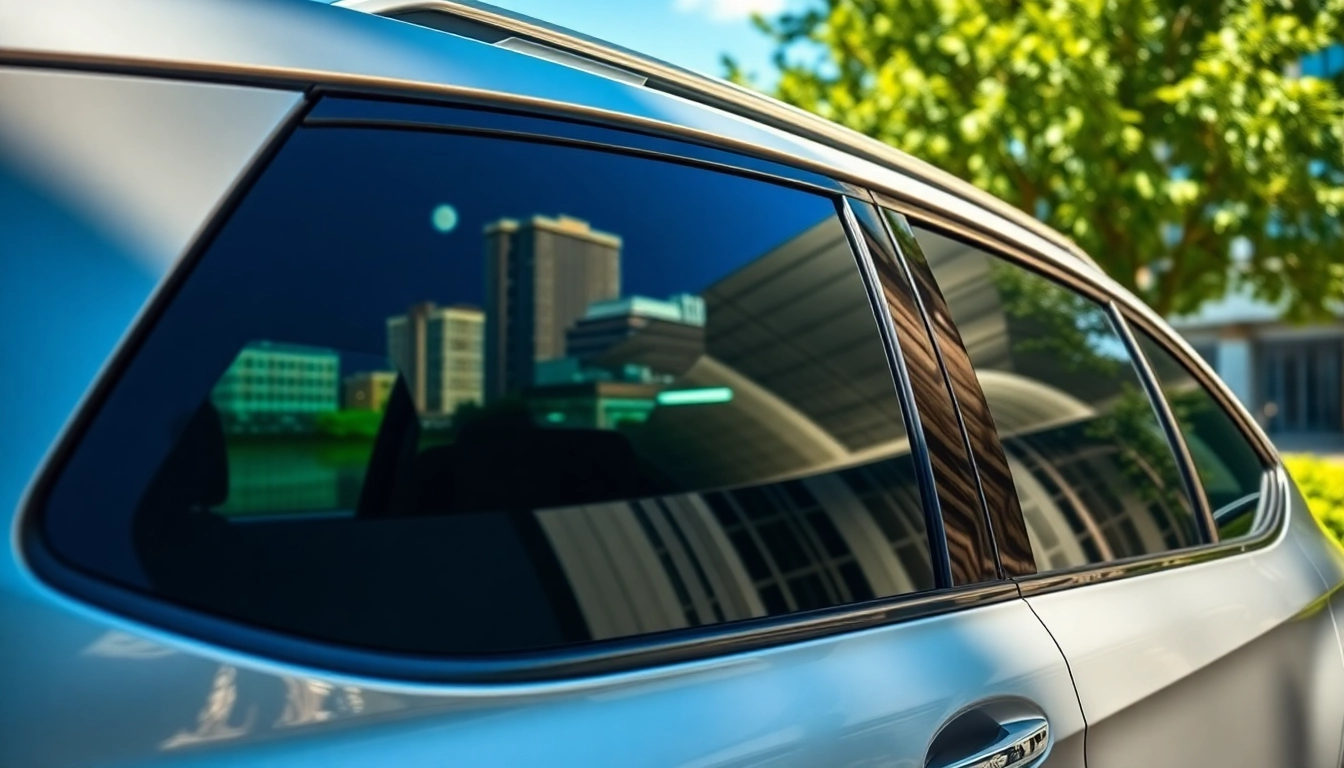
Understanding Window Tint: Basics and Benefits
What is Window Tint?
Window tinting involves applying a thin, transparent film to the glass surfaces of vehicles, homes, or commercial buildings. This film is designed to reduce the amount of sunlight entering a space while also providing various levels of heat rejection and glare reduction. The application of window tint serves both aesthetic and functional purposes, enhancing the overall experience, comfort, and safety of the occupants. The demand for window tinting has significantly increased, as people are searching for solutions that combine style with practicality. If you're curious about finding window tint near me, you're not alone in this growing trend.
Key Benefits of Window Tint
Opting for window tint offers a variety of benefits that go beyond aesthetics. Here are a few key advantages:
- UV Protection: Window tint can block up to 99% of harmful ultraviolet rays, protecting both skin and interiors from damage.
- Heat Regulation: Tinted windows help to maintain a cooler interior temperature, reducing the reliance on air conditioning and enhancing energy efficiency.
- Glare Reduction: Glare from bright sunlight can make driving difficult and uncomfortable. Window tint helps to minimize this glare, providing a more pleasant experience.
- Privacy: One of the most sought-after features of window tint is enhanced privacy. Tinted windows obscure vision from the outside, allowing occupants to enjoy their space without feeling exposed.
- Safety: Window film can help hold shattered glass together in the event of an accident, providing added security and reducing the risk of injury.
Types of Window Tint Solutions
There are several types of window tinting solutions available, each suited to different needs and preferences:
- Dyed Window Film: This is one of the most basic types of window tint. It uses a layer of dye that absorbs solar heat, helping to block out sunlight. It’s an economical choice but may not provide as much UV protection as other types.
- Metalized Window Film: This film contains metal particles that reflect heat and UV rays. It’s durable and resistant to fading, making it a popular choice for both residential and commercial applications.
- Ceramic Window Film: Made with advanced ceramic technology, this type offers excellent heat rejection without the reflective appearance of metalized films. It allows visibility while providing privacy and UV protection.
- Hybrid Window Film: This combines dye and metalized elements, offering a balance between aesthetics and performance.
- Security Window Film: Designed to provide maximum safety, this type is thicker and helps to prevent break-ins by holding shattered glass together.
Choosing the Right Window Tint Near Me
Factors to Consider When Choosing
When selecting window tint, it is essential to consider several factors, including:
- Purpose: Are you looking for UV protection, heat reduction, or privacy? Understanding your primary goals can help narrow down your options.
- Film Quality: Always opt for high-quality films that come with warranties; they often perform better and last longer.
- Manufacturer Reputation: Look for reputable brands that offer proven performance and consumer satisfaction.
- Local Climate: Consider the climate in your area and how much sunlight your vehicle or home receives. Certain films are better suited for specific conditions.
- Warranty: Ensure the film comes with a warranty to safeguard your investment against defects and premature wear.
Local Regulations and Legal Aspects
Each state has different regulations concerning window tinting. It’s crucial to familiarize yourself with local laws before proceeding with installation. Factors such as the percentage of visible light transmission (VLT), the reflectivity of the film, and the tinting of front windows versus rear windows may be subject to state guidelines. Always ensure that the chosen window tint complies with legal standards to avoid fines and the need for removal.
Finding Reliable Installation Services
Finding a trustworthy installation service is key to ensuring the longevity and effectiveness of your window tint. Consider the following tips:
- Referrals: Ask friends or family for recommendations on local installers they trust.
- Online Reviews: Use platforms like Yelp or Google Reviews to read customer experiences and ratings.
- Certifications: Check if the installer has relevant certifications and experience in window tinting.
- Portfolio: Request to see examples of their previous work to gauge their skill and attention to detail.
Installation Process: What to Expect
Preparation Before Installation
Before the installation begins, there are several steps to ensure the process goes smoothly:
- Cleaning: The windows should be thoroughly cleaned to remove any dirt, grease, or grime. A good foundation is essential for adhesion.
- Inspection: Check for any chips or cracks in the glass, as these can affect the installation and performance of the tint.
- Measurements: Accurate measurements of the windows are crucial for cutting the film to fit properly.
Step-by-Step Tinting Guide
The installation of window tint generally follows these steps:
- Cutting the Film: The installer will cut the film to match the dimensions of the window, ensuring precision.
- Application: The film is applied to the interior surface of the window using a special solution that allows for repositioning.
- Smoothing: Once positioned, the installer will carefully smooth out bubbles and creases with a squeegee.
- Curing: After installation, the film needs time to cure. This process can take a few days, during which time windows should be treated with care.
Tips for Post-Installation Care
To ensure the longevity of your window tint, follow these post-installation tips:
- Avoid Cleaning: Refrain from cleaning the windows for at least a week to allow the film to adhere properly.
- Use Soft Cloths: When cleaning is permissible, opt for a soft, lint-free cloth to avoid scratching the film.
- Watch for Bubbles: Minor bubbles may appear but should disappear as the film cures. Larger bubbles may require professional removal.
Window Tint Maintenance: Keeping it Pristine
Regular Cleaning Tips
To maintain the clarity and aesthetics of tinted windows:
- Use Mild Solutions: Clean with a mild soap and water solution; avoid ammonia-based cleaners as they may damage the tint.
- Soft Applicators: Use a microfiber cloth or a soft sponge to prevent scratches.
Signs of Wear and Tear
Over time, you may notice signs of wear that could indicate it’s time for replacement:
- Fading: Colors losing their vibrancy can signal degradation.
- Bubbling: Visible bubbles or peeling edges might require professional assessment.
When to Seek Professional Help
If you experience significant issues like peeling, bubbling, or discoloration, seek professional help. An experienced installer can assess whether repair or replacement is necessary, ensuring your windows remain functional and aesthetically pleasing.
Frequently Asked Questions About Window Tint Near Me
How long does window tint last?
Quality window tint can last anywhere from 5 to 15 years, depending on the type and maintenance.
Can window tint be removed?
Yes, window tint can be removed, but it’s best done by professionals to avoid damaging the glass.
Is window tint legal everywhere?
Legal regulations vary by state. Always check local laws regarding window tinting before installation.
Does window tint affect visibility?
Properly installed tint can enhance visibility while providing privacy and sun protection, without a significant impact.
Can window tint help with heat reduction?
Yes, high-quality window tint can significantly reduce heat inside the vehicle, enhancing comfort and reducing AC use.